Do You Need Flood Insurance in Park City, Utah?
Living in a mountain town comes with incredible perks, from world-class skiing to breathtaking summer trails. But the very environment that makes the Wasatch Back so appealing also introduces unique weather challenges. Every spring, massive mountain snowmelt sends huge volumes of water rushing toward lower elevations.
Introduction
Living in a mountain town comes with incredible perks, from world-class skiing to breathtaking summer trails. But the very environment that makes the Wasatch Back so appealing also introduces unique weather challenges. Every spring, massive amounts of mountain snow begin to melt, sending thousands of gallons of water rushing toward lower elevations. In the summer, sudden monsoon downpours can overwhelm dry ground in a matter of minutes.
When homeowners ask us, "Do I need flood insurance in Park City, UT?" we always start by looking at their specific property topography, their financial risk tolerance, and the hidden gaps in their standard coverage. Many people assume their standard home insurance will protect them from any water damage, only to discover the hard way that surface water is entirely excluded.
As an independent agency that values education and personalized service, we believe you should never be caught off guard by a gap in your protection. In this article, we will explain how flood risk is evaluated in our mountain communities, what coverage options exist, and how you can make a confident decision about protecting your home and your financial future.
Understanding Flood Risks in the Wasatch Back
When you picture a flood, you might imagine coastal storm surges or massive rivers overflowing their banks. Because Park City sits at a high elevation, it is easy to assume that flooding is not a significant local threat. However, mountain geography creates a distinct set of water-related hazards that every property owner should understand.
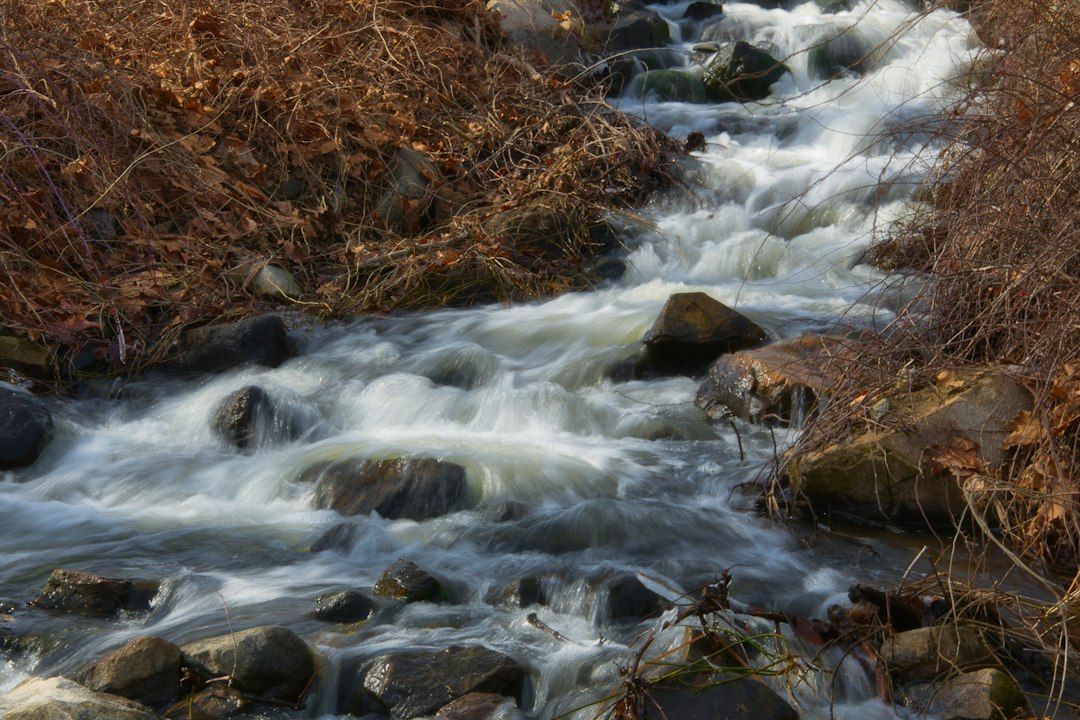
The primary driver of flooding in Summit and Wasatch counties is spring snowmelt. Utah is famous for its exceptional snowpack, which is a massive benefit for the local economy and winter recreation. But as temperatures rise in the spring, that snow has to go somewhere. Rapid warming trends can cause snow to melt faster than the ground can absorb it. This excess water flows downhill, swelling local waterways like Poison Creek and potentially overwhelming municipal storm drains. When the ground is completely saturated, even a moderate spring rainstorm on top of melting snow can trigger localized flooding in residential neighborhoods.
Summer presents a completely different hazard in the form of monsoon weather. During the warmer months, atmospheric moisture frequently pushes into Utah, creating severe and sudden thunderstorms. Because the terrain is steep and often dry, heavy rainfall cannot easily soak into the earth. Instead, it creates fast-moving surface water. The risk is magnified significantly in areas near recent wildfire burn scars. Without vegetation to anchor the soil and absorb the rain, water rushes down the mountainsides unchecked. In July 2026, the National Weather Service issued severe flash flood warnings across Summit and Wasatch counties as heavy monsoon rains impacted local burn scars, according to recent local reports. This event served as a stark reminder that mountain weather can change rapidly and unpredictably.
The most critical fact to understand is that a standard home insurance in Utah County and Wasatch County policy will not cover damage caused by rising surface water. Standard policies cover internal water damage, such as a burst pipe or a broken water heater. But once water touches the ground outside and enters your home, it is legally classified as a flood. Without a specific flood insurance policy in place, you would be entirely responsible for the cost of repairing your home and replacing your damaged belongings.
FEMA Flood Zones and Lender Requirements
To manage the financial impact of flooding nationwide, the federal government established the National Flood Insurance Program, commonly known as the NFIP. This program is administered by the Federal Emergency Management Agency. As part of this program, the government maps out flood risk across the country, assigning different zones based on historical data, topography, and hydrology.
If your property is located in an area designated as a Special Flood Hazard Area, it means you have a high risk of flooding. If you have a mortgage from a federally regulated or insured lender and your home sits in one of these high-risk zones, you are legally required to carry flood insurance. If you fail to purchase a policy, your mortgage lender will likely buy one on your behalf and add the premium to your monthly payment. This practice is known as force-placed insurance. Force-placed policies are generally much more expensive than standard policies and only protect the lender's financial interest in the building, offering zero coverage for your personal belongings inside the home.
However, a common misconception is that if you live outside a high-risk zone, you are completely safe from flooding. History has proven this false time and time again. More than a quarter of all flood insurance claims originate in areas mapped as moderate-to-low risk. Rain does not respect boundary lines on a government map. If a storm drain backs up in your neighborhood or an unusually heavy snowmelt alters natural runoff paths, your home could be damaged regardless of its official zone designation.
In recent years, the federal government updated its pricing methodology through a system called Risk Rating 2.0. Instead of relying solely on the old flood zone maps to dictate your premium, this modernized system calculates rates based on specific characteristics of your individual property. Factors like your home's distance to a water source, the elevation of your ground floor, and the cost to rebuild your structure all play a role in determining your premium. According to recent insurance industry data, there are approximately 8,000 active NFIP policies in Utah, with an average annual premium hovering around $530. Because pricing is now more personalized, taking the time to review your options with a knowledgeable local agent is the best way to understand your exact costs.
It is also important to understand exactly how the federal government defines a flood. For an event to trigger coverage under a standard federal policy, the water must cover at least two acres of normally dry land, or it must affect two or more properties (one of which must be yours). If a localized drainage issue only creates a puddle in your specific window well and nowhere else, it might not meet the strict federal definition of a flood.
What Flood Insurance Actually Covers
When you purchase a flood insurance policy, you are actually looking at two distinct types of coverage. You can purchase them together or separately, though most homeowners need both for adequate protection.
The first component is Building Property coverage. This protects the physical structure of your home and its foundational elements. It covers things like the electrical and plumbing systems, central air conditioners, furnaces, water heaters, and built-in appliances. It also covers permanently installed carpeting over unfinished floors, custom cabinets, and wood paneling. Under the traditional federal program, the absolute maximum limit you can purchase for Building Property is $250,000.
The second component is Personal Property coverage. This protects the movable items inside your home, including clothing, furniture, electronics, and non-built-in appliances like your washer and dryer. The federal program caps Personal Property coverage at $100,000.
For many homeowners in Park City, the federal limits simply are not enough. Real estate values and construction costs in mountain communities frequently exceed the $250,000 threshold. If your home would cost $800,000 to rebuild, a federal policy leaves you with a massive gap in protection. This is where the private flood insurance market becomes highly valuable. Private insurance carriers offer policies with significantly higher limits, often matching the full replacement cost of your home. Private policies can also include Loss of Use coverage, which helps pay for temporary housing if you have to move out while your home is being repaired. The federal program does not offer any coverage for temporary living expenses. Because we work with multiple carriers, we can evaluate both federal and private options to see which market provides the best fit for your budget and goals.
Another critical nuance for mountain properties involves basements. The federal program enforces a strict "Basement Limitation." A basement is defined as any area of a building where the floor is subgrade (below ground level) on all sides. If you have a fully subterranean basement, coverage for improvements is virtually non-existent. The policy will cover essential equipment like your furnace or electrical panel, but it will exclude finished drywall, basement carpeting, couches, and televisions. However, if your lower level is a walkout with at least one side at ground level, it may not be considered a basement under federal rules, which drastically improves your coverage.
Finally, homeowners on steep terrain must understand the difference between a mudflow and a landslide. A mudflow is a river of liquid and flowing mud on the surfaces of normally dry land areas, often caused by heavy rain on a burned hillside. Mudflows are covered by flood insurance. A landslide, on the other hand, is the movement of earth or rock. If the ground itself gives way and slides into your home, that is considered earth movement and is completely excluded from flood policies. If you are concerned about earth movement, you would need to explore separate specialty coverages, much like you would need earthquake insurance in Utah to protect against seismic activity.
How to Decide if Coverage is Right for You
Unless your mortgage lender mandates it, buying flood insurance is a personal choice based on your risk tolerance. We recommend walking around your property and objectively evaluating your environment. Are you located near the bottom of a steep hill? Do you live close to a creek, stream, or drainage ditch that runs high in the spring? Does the grading of your yard slope toward your foundation rather than away from it?
Our agency works closely with proactive homeowners who take pride in their properties, particularly those with newly built homes completed within the past two to eight years. It is easy to assume that a brand new home in a modern development has flawless drainage. However, new construction significantly alters the natural topography of a neighborhood. Until final landscaping takes deep roots and the moved soil fully settles, spring runoff can behave unpredictably. We have seen situations where water from a higher lot naturally flows into the window wells of a newly constructed home below it. This is why having a thorough conversation about new home insurance in Spanish Fork and surrounding communities is so essential. We want to ensure proper protection is in place from the very beginning.
It is also important to distinguish between surface flooding and water backing up through your plumbing. If a municipal sewer line gets overwhelmed and pushes water backward through your basement drain, that is not considered a flood. That specific scenario requires a Water Backup endorsement added directly to your standard homeowners policy. We routinely review this coverage with our clients because it is one of the most common and damaging claims a homeowner can experience. Knowing how to choose an insurance agency that will explain these exact differences is the key to avoiding terrible surprises during a claim.
If you have a strong credit profile and are looking for quality coverage, finding an agency that will take the time to properly review your needs rather than offering a generic, one-size-fits-all policy is vital. We want our clients to have peace of mind knowing they understand their risks and have intentionally chosen how to handle them.
Conclusion
Understanding your flood risk in a mountain environment requires looking beyond the typical assumptions. Between intense spring snowmelt, sudden summer monsoons, and the evolving nature of local land development, water can find its way into places you might never expect. Remember that standard home insurance will not cover damage from surface water, and federal flood maps only tell part of the story.
Whether you are navigating a lender requirement for a new mortgage or you simply want to protect the substantial equity you have built in your home, having a dedicated professional in your corner makes all the difference. Our clients trust us because they know they can read our reviews and see a proven history of honesty, clear communication, and reliable support when it matters most. By taking the time to review your property specifics and comparing options across both the federal and private markets, you can secure the exact protection your family needs.
Oldroyd Insurance Agency
If you live in Utah and want coverage that actually fits your home, vehicles, family, or business, contact Oldroyd Insurance Agency today for a personalized policy review and side-by-side options from multiple carriers. Talk with a local agent who will explain your choices clearly and help you make a confident decision. Instead of pushing a single product, we take the time to understand your unique property, budget, and goals so you are properly protected from the start. Whether you need to secure specialized flood coverage, update your standard homeowners policy, or protect a new business venture, we are here to provide dependable service and long-term support. Take the next step toward true peace of mind and request a quote from our team today.
By Mitch Oldroyd & Team · Published 8/6/2026