Recreational Vehicle Insurance in Utah: Coverage for Motorcycles, ATVs, Boats, RVs, and Trailers
Utah is an absolute paradise for outdoor enthusiasts. From the endless red rock trails down south to the spectacular mountain passes in our own backyard, there is no shortage of places to explore. We boast over 80,000 miles of off-highway vehicle trails alone.
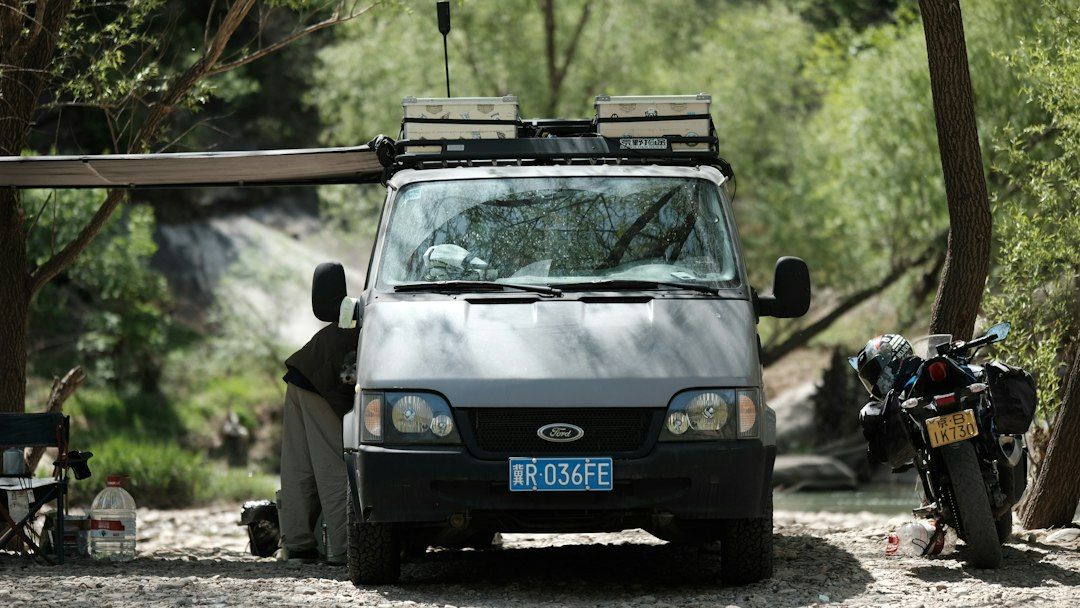
Utah is an absolute paradise for outdoor enthusiasts. From the endless red rock trails down south to the spectacular mountain passes in our own backyard, there is no shortage of places to explore. We boast over 80,000 miles of off-highway vehicle trails alone. But whether you are taking an ATV up into the Uintas, towing a camper to Bear Lake, or cruising down Provo Canyon on your motorcycle, owning a recreational vehicle comes with unique responsibilities and risks.
At Oldroyd Insurance Agency, we have spent more than 16 years helping Utah families and businesses protect what matters most. Over the years, we have seen first-hand how a sudden accident on the trail or the water can turn a dream weekend into a financial nightmare if the right protection is not in place. Recreational vehicles are not just smaller cars. They require specialized policies that account for seasonal usage, custom equipment, and specific liability exposures.
In this guide, we will break down everything you need to know about insuring motorcycles, ATVs, boats, RVs, and trailers in Utah. We will also cover some critical recent changes to Utah state law regarding insurance minimums and vehicle registration that took effect in 2025, ensuring you can make confident, informed decisions before your next adventure.
The Changing Landscape of Utah Recreational Vehicle Insurance
For a long time, the rules around insuring recreational vehicles in Utah felt fairly static. However, 2025 brought some of the most significant changes we have seen in recent memory. If you own any motorized toy with a license plate, you need to pay close attention to these updates.
First, Utah recently implemented a mandatory increase in the minimum limits of motor vehicle liability insurance. As of January 1, 2025, the minimum liability limits for any private passenger, commercial, or recreational vehicle on Utah roads increased to $30,000 for bodily injury per person, $65,000 for bodily injury per accident, and $25,000 for property damage. This 30/65/25 structure replaced the old 25/65/15 limits. The state legislature recognized that with the rising costs of medical care and vehicle repairs, the old limits were simply leaving too many drivers financially vulnerable after an accident.
But perhaps the most impactful change for recreational vehicle owners involves how the state handles seasonal vehicles and registration. Historically, many Utahns with motorcycles or motorhomes would keep their vehicles registered year-round but drop their insurance down to "comprehensive only" during the snowy winter months to save money. This practice allowed them to protect the vehicle against theft, fire, or a collapsed garage roof without paying for liability coverage they were not using.
Under the updated enforcement rules from the Utah State Tax Commission, a comprehensive-only policy no longer meets the financial responsibility requirements for any vehicle with active Utah license plates. Simply put, if your vehicle has a license plate on it, it must have liability insurance. If you want to drop your coverage to comprehensive only during the winter, you are now required to officially cancel the vehicle registration and surrender the plates to the DMV. Failing to do so can result in a suspended driver license and steep fines.
Beyond regulatory changes, the risks on our roads and trails are evolving. In 2025, Utah recorded a troubling 32 percent increase in motorcycle fatalities compared to the previous year, with deaths reaching 70 statewide. Meanwhile, the U.S. Coast Guard's 2024 recreational boating statistics noted approximately $88 million in property damage from boating accidents nationwide. These numbers highlight a sobering reality. Having the right coverage is not just about checking a legal box. It is about actively protecting your financial future from unpredictable, high-cost incidents.
Key Coverage Considerations by Vehicle Type
While some general insurance principles apply across the board, a pontoon boat has very different risks than a dirt bike. A one-size-fits-all approach is a recipe for dangerous coverage gaps. That is why we rely on customized Specialty Insurance policies to fit the exact machine you own. Let us look at the specific nuances for each type of recreational vehicle.
Motorcycles
Riding a motorcycle offers an unmatched sense of freedom, but it leaves you entirely exposed to the elements and other drivers. Because of the inherent physical risks, having strong uninsured and underinsured motorist coverage is arguably the most critical component of motorcycle insurance in Spanish Fork, UT, or anywhere else in the state. If a distracted driver hits you and they do not have enough insurance to cover your medical bills, your underinsured motorist coverage steps in to bridge the gap.
Additionally, most riders love to customize their bikes. Whether you have added aftermarket exhaust pipes, custom paint, or upgraded saddlebags, standard physical damage coverage usually only pays to replace factory original parts. You will need a specific endorsement for custom parts and equipment to ensure your upgrades are protected.
ATVs, UTVs, and Off-Highway Vehicles
Side-by-sides and ATVs have exploded in popularity across Utah. If you are financing a new Polaris or Can-Am, your lender will require physical damage coverage. But even if you own it outright, finding proper ATV insurance in Heber City, UT, and the surrounding mountain communities is essential.
Many people mistakenly assume their Home Insurance will cover their ATV. In reality, most homeowner policies severely restrict or completely exclude coverage for motorized vehicles once they leave your property. If you roll your UTV on a trail in the Wasatch Back or collide with another rider around a blind corner, a dedicated off-road vehicle policy provides the liability protection you need to cover the other person's injuries, as well as the collision coverage to repair your machine.
Boats and Personal Watercraft
Utah might be the second driest state in the nation, but our lakes and reservoirs are packed all summer long. Boat insurance operates a bit differently than auto insurance. One of the most important features to look for is "Agreed Value" coverage rather than "Actual Cash Value." Boats depreciate quickly. If your boat sinks or is destroyed in a fire, an actual cash value policy will only pay out what the boat was worth at the time of the loss, minus your deductible. An agreed value policy guarantees you will be paid the amount listed on the policy, helping you replace the vessel without taking a huge financial hit.
You also need to ensure your policy includes wreck removal and fuel spill liability. If your boat sinks in Jordanelle Reservoir, the state may require you to retrieve it and clean up any leaked fuel. Those environmental cleanup and salvage costs can easily run into the tens of thousands of dollars, which a good marine policy will cover.
RVs, Motorhomes, and Travel Trailers
When it comes to campers, the type of insurance you need depends entirely on whether you drive it or tow it. If you have a motorized RV (Class A, B, or C), it is a vehicle in the eyes of the law. It requires its own Auto Insurance liability policy to cover the damage you might cause while driving it.
If you have a towable travel trailer or fifth wheel, the liability coverage from your towing vehicle typically extends to the trailer while it is hitched and in motion. However, that extended liability does not cover physical damage to the trailer itself. If you back your fifth wheel into a tree at the campsite, you need a specific trailer policy with comprehensive and collision coverage to pay for the repairs.
Physical Damage, Equipment Protection, and Specialized Features
Understanding the difference between liability and physical damage is the foundation of building a good policy. Liability pays the other person when you are at fault. Physical damage pays to fix your own vehicle, regardless of who is to blame. Physical damage is split into two categories.
Collision coverage pays for repairs if you hit another vehicle, a tree, a rock, or a dock. Comprehensive coverage (sometimes called "other than collision") protects your vehicle against almost everything else. This includes theft, vandalism, fire, falling objects, and animal collisions. Given the amount of wildlife roaming Utah's mountain roads, comprehensive coverage is a must-have for anyone looking for reliable powersports insurance in Wasatch County.
But protecting the vehicle itself is only part of the equation. Think about all the gear you take with you. High-end motorcycle helmets, riding leathers, specialized life jackets, fishing tackle, and expensive marine electronics add up to a significant investment. Many specialty policies offer optional coverage specifically designed to reimburse you for damaged or stolen safety apparel and personal effects.
For RV owners, vacation liability is a specialized feature worth discussing. While your auto policy might cover liability while the RV is moving, what happens when it is parked and leveled at a campsite? If a guest trips on your RV steps and breaks their arm, vacation liability acts similarly to the liability portion of a home insurance policy, providing coverage for accidents that happen in and around your temporary residence.
Navigating Storage, Seasonal Use, and Common Pitfalls
Recreational vehicles in Utah are distinctly seasonal. You are probably not taking your boat out in January, just like you are probably not riding your snowmobile in July. How you handle your insurance during the off-season can have major financial consequences.
As we discussed earlier, the 2025 rule changes mean you can no longer keep an active license plate on a vehicle while carrying only comprehensive coverage. This forces owners to make a choice during the winter months.
Option one is to keep the plates active and pay for year-round liability insurance. While this costs more in premiums, it saves you the administrative headache of going to the DMV twice a year to surrender and request new plates. It also means on that rare, unseasonably warm afternoon in February, you can take your motorcycle out for a spin without breaking the law.
Option two is to formally cancel your registration, hand over your plates, and drop your coverage to comprehensive only. This will save you money on liability premiums and still protect the vehicle against garage fires, theft, or mice chewing through the wiring harness while it sits in storage. When spring arrives, you simply reinstate your liability coverage and get new plates from the state.
A major pitfall we see new clients make is dropping their insurance entirely during the off-season. This is a massive mistake. If you drop all coverage, you have zero protection if your storage unit burns down or the vehicle is stolen. Furthermore, completely canceling a policy creates a gap in your insurance history. When you go to buy a new policy in the spring, insurance companies will flag you as a higher risk due to the lapse in coverage, and your new rates will likely be much higher than whatever you saved by canceling the policy in the first place.
Another common mistake is failing to disclose exactly how you use the vehicle. If you insure your ATV for personal recreation but start using it to plow snow for paying customers in the winter, your personal policy will likely deny any claims that happen while you are conducting business. Being transparent with your agent about your exact usage ensures the policy actually responds when you need it.
The Value of a Personalized Approach
Insurance is never a place for guesswork, especially when it involves vehicles designed for fun, speed, and unpredictable environments. You want to spend your weekends enjoying Utah's incredible outdoors, not worrying about whether your insurance limits are high enough or if your custom upgrades are properly documented.
At Oldroyd Insurance Agency, our focus is entirely on education and relationship building. We do not just punch numbers into a quoting system and hand you a generic document. We want to hear about your new boat, look at the photos of your custom motorcycle, and understand exactly how your family spends its weekends. Because we work with multiple carriers, we have the flexibility to compare options side-by-side. This means we can match you with the company that offers the most competitive rates and the best specific coverage features for your exact situation.
When you have a question about how a claim works or need to adjust your coverage for the changing seasons, you will not have to dial a 1-800 number and hope the person on the other end understands Utah law. You will talk to a real person in your community who genuinely cares about keeping you protected.
Conclusion
Owning a recreational vehicle in Utah is a passport to unforgettable family memories and thrilling adventures. But the risks on our roads and trails are real, and state regulations are becoming stricter and more complex. From understanding the 2025 liability minimum increases to navigating the new rules surrounding winter storage, having a properly structured insurance policy is the foundation of responsible ownership. Do not wait until after a collision on the trail or an accident at the marina to find out what your policy actually covers. Take the time to review your limits, protect your custom equipment, and ensure your coverage matches your lifestyle.
Oldroyd Insurance Agency
If you live in Utah and want coverage that actually fits your home, vehicles, family, or business, contact Oldroyd Insurance Agency today for a personalized policy review and side-by-side options from multiple carriers. Talk with a local agent who will explain your choices clearly and help you make a confident decision. Whether you need to update your seasonal coverage or want to make sure your new recreational toys are fully protected, we are here to help. Request a quote directly through our homepage or contact us to start a conversation. Let us make insurance simple, so you can get back to enjoying the outdoors.
By Mitch Oldroyd & Team · Published 5/26/2026