RV, Motorhome, and Trailer Insurance in Utah County: What Coverage You Need
From the stunning red rock canyons of southern Utah to the pine-filled forests of the Uintas, our state is a premier destination for outdoor enthusiasts. Every year, countless families hit the open road in motorhomes, fifth wheels, and campers to experience the beauty of the region, but traveling with a home on wheels introduces unique risks.
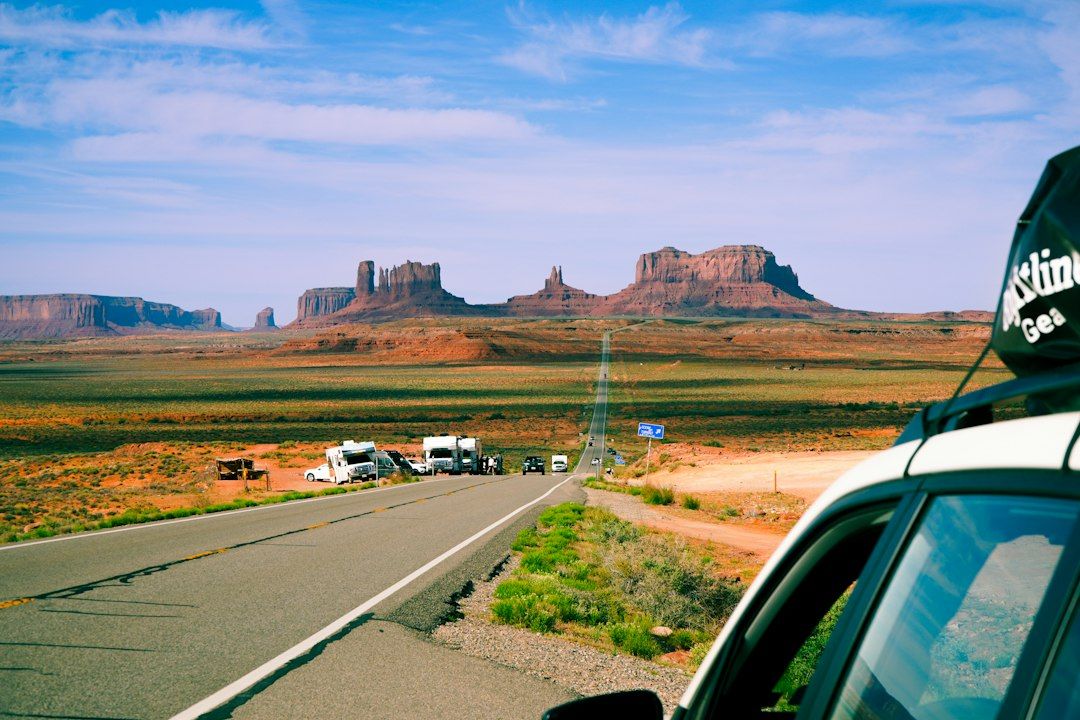
From the stunning red rock canyons of southern Utah to the pine-filled forests of the Uintas, our state is a premier destination for outdoor enthusiasts. Every year, countless families hit the open road in motorhomes, fifth wheels, and campers to experience the beauty of the region. However, traveling with a home on wheels introduces a unique set of risks that standard auto policies are simply not designed to handle.
At Oldroyd Insurance Agency, we have spent over 16 years helping individuals and families across Utah County and Wasatch County protect what matters most. We believe that understanding your insurance options should not be a frustrating or confusing process. Whether you are buying your first camper or upgrading to a luxury coach, having the right protection in place is essential. In this guide, we explore the specific coverages you need for your recreational vehicles and explain how working with an independent agency can help you hit the road with confidence.
The Unique Landscape of RV and Trailer Insurance
Owning a recreational vehicle offers unparalleled freedom, but it also means navigating a complex mix of automotive and residential risks. A motorhome or a large travel trailer is essentially a house hurtling down the highway at 70 miles per hour. It contains plumbing systems, electrical wiring, appliances, and personal belongings, all subjected to constant vibration, wind, and varying weather conditions.
Safety data underscores the importance of having a robust insurance policy. According to crash statistics monitored by the National Highway Traffic Safety Administration, tens of thousands of injuries occur annually in accidents involving recreational vehicles [1]. These vehicles are significantly heavier than standard passenger cars, possess higher centers of gravity, and require much longer stopping distances. Even a minor miscalculation by an inexperienced driver or a sudden crosswind in a canyon can lead to a severe accident.
Furthermore, the insurance landscape for these vehicles has shifted recently. Market trends in 2025 and 2026 show that the cost to repair large recreational vehicles has increased noticeably. This is largely driven by supply chain constraints, higher prices for specialized RV parts, and a shortage of qualified RV repair technicians. When a motorhome or trailer sustains damage, the repair bills often far exceed those of a traditional auto accident.
Because of these rising costs and unique physical risks, relying on a basic auto policy or the bare minimum state requirements leaves you highly vulnerable. Standard auto policies focus heavily on vehicle liability and basic physical damage. They rarely account for the full replacement cost of custom camper features, the loss of expensive personal effects, or the liability risks associated with parking at a campsite. Recognizing these gaps is the first step toward securing adequate recreational vehicle insurance in Utah.
Core Coverage Components You Need
When we build a policy for a client, we look at several core components that differ significantly from a standard auto or home insurance policy. Understanding these distinct coverages will help you make an informed decision about your protection.
Liability Coverage
Liability coverage is the foundation of any vehicle policy. If you are driving a motorized vehicle, you must carry bodily injury and property damage liability to pay for the harm you might cause to others in an accident. If you are towing a trailer, the liability from your primary tow vehicle typically extends to the trailer while they are hitched together. However, once the trailer is unhooked at a campsite or parked in your driveway, that auto liability coverage no longer applies. This is where specialized RV policies step in to fill the gap, offering liability protection even when the trailer is detached.
Physical Damage Protection
Physical damage coverage includes comprehensive and collision protection. Collision pays to repair or replace your vehicle if you hit another vehicle or object. Comprehensive covers non-collision events like hail, fire, vandalism, theft, or falling tree branches. Given the severe winter weather and occasional hail storms in Utah, comprehensive coverage is critical.
One of the most important decisions you will make regarding physical damage is how the insurance company values your vehicle in the event of a total loss.
- Actual Cash Value pays out the current market value of your vehicle, factoring in depreciation.
- Agreed Value locks in a specific payout amount that you and the insurer agree upon when the policy is written, which protects you against steep depreciation.
- Total Loss Replacement provides you with a brand new, comparable vehicle if yours is totaled within its first few model years.
Personal Effects Coverage
When you pack for a trip, you likely load up laptops, smartphones, expensive outdoor gear, bicycles, clothing, and kitchen supplies. A standard auto insurance policy does not cover these personal items. While your home insurance might offer "off-premises" coverage, it usually limits the payout to a small percentage of your total personal property limit and subjects you to a high deductible. RV policies can include specific personal effects coverage, allowing you to replace your stolen or damaged belongings without filing a complex claim on your homeowners policy.
Campsite and Vacation Liability
This is a coverage entirely unique to the RV lifestyle. When you park your camper at a state park or a private campground, your vehicle effectively becomes your temporary residence. If a guest trips over your awning tie-down or slips on your portable steps and breaks their wrist, they could hold you legally responsible for their medical bills. Vacation liability operates similarly to the personal liability portion of a home insurance policy, protecting your assets if someone is injured in or around your parked RV.
Matching the Policy to Your Specific Rig
The term "recreational vehicle" covers a massive spectrum of shapes, sizes, and uses. Because we work with multiple insurance carriers, we can match the exact type of vehicle you own with a policy tailored to its specific characteristics. We frequently help clients navigate these nuances based on what they drive or tow.
Motorized Vehicles
Finding the right motorhome insurance in Utah County means accounting for both the automotive and residential risks of a self-propelled vehicle. Whether you own a massive Class A diesel pusher, a nimble Class B camper van, or a family-friendly Class C motorhome, your policy must serve as primary auto insurance while also providing the specialized perks of an RV policy. We look closely at how many miles you drive annually and whether you use the vehicle for weekend getaways or cross-country tours.
Large Towables
Fifth wheels and toy haulers are incredibly popular among families who want maximum living space and the ability to bring ATVs or motorcycles along for the ride. When searching for RV insurance in Springville, UT, we help clients focus heavily on physical damage coverage and personal effects limits. Because these rigs often cost as much as a small house and carry valuable motorized toys inside, securing an Agreed Value or Total Loss Replacement policy is often the smartest financial move.
Traditional Campers
For a family seeking travel trailer insurance in Salem, UT, the focus typically shifts to bumper-pull campers ranging from small teardrops to large bunkhouse models. Owners of these trailers need robust comprehensive coverage to protect against roof leaks, hail damage, and windstorms. We also prioritize campsite liability and emergency expense coverage, ensuring that a family vacation is not completely derailed if the trailer becomes uninhabitable far from home.
Non-Camping Haulers
It is important to remember that not all trailers are used for camping. Many residents rely on utility trailers, flatbeds, and enclosed cargo trailers to haul landscaping equipment, moving boxes, or recreational gear. Securing trailer insurance in Provo, UT for a heavy utility or cargo hauler ensures that your investment is protected against theft and collision. Even if your truck's liability extends to the trailer while towing, your auto policy will not pay to replace the trailer itself if it is stolen from a job site or damaged in a parking lot.
Common Mistakes to Avoid
In our years of reviewing personal insurance portfolios, we consistently see a few common mistakes that owners make when setting up their recreational coverage. Avoiding these pitfalls can save you significant money and stress in the long run.
The most frequent mistake is relying entirely on a standard auto policy to cover a towed camper. Many people assume that because their truck insurance extends liability to the trailer, it also extends physical damage coverage. This is rarely true. If you back your truck up and accidentally jackknife your travel trailer into a tree, your auto policy will fix your truck, but you will be paying out of pocket to rebuild the trailer.
Another common oversight is ignoring emergency expense coverage. If your motorhome breaks down or your trailer is severely damaged while you are hundreds of miles away from home, you will suddenly need a place to stay and a way to get back. Emergency expense coverage helps pay for hotel rooms, rental cars, and meals while your rig is being repaired. Without it, a breakdown in a remote part of the state can quickly turn into a financial nightmare.
Similarly, many owners overlook the need for specialized roadside assistance. A typical auto club membership or standard auto roadside plan might cover your pickup truck, but they often refuse to tow a 15,000-pound fifth wheel or a 40-foot motorhome. Specialized RV roadside assistance ensures that the dispatchers send a heavy-duty tow truck capable of safely moving your specific rig, preventing you from being stranded on the side of a busy interstate.
Finally, do not forget to insure your custom additions. Awnings, satellite dishes, solar panels, and upgraded suspension systems add significant value to your rig. If you do not disclose these modifications to your insurance agent, the carrier will only pay to replace the standard factory equipment in the event of a total loss. Taking a thorough inventory of your custom parts allows us to accurately insure the true value of your vehicle.
Making Confident Coverage Decisions
Recreational vehicles represent a significant financial commitment and an investment in your family's quality time. Navigating the complexities of liability extensions, settlement types, and specialized endorsements does not have to be a burden. By partnering with a local, experienced insurance professional, you can ensure that your policy aligns with the way you actually travel.
At Oldroyd Insurance Agency, our relationship-first approach means we take the time to sit down with you, understand how you plan to use your vehicle, and clearly explain what each coverage component does. Because we are an independent agency with access to multiple top-rated carriers, we are not forced to push a one-size-fits-all policy. Instead, we shop the market to find the most competitive pricing and the most comprehensive protection available.
If you live in Utah and want coverage that actually fits your home, vehicles, family, or business, contact Oldroyd Insurance Agency today for a personalized policy review and side-by-side options from multiple carriers. Talk with a local agent who will explain your choices clearly and help you make a confident decision. Get a quote today.
By Mitch Oldroyd & Team · Published 8/26/2026